






The first steps of football in Germany: Konrad Koch and the birth of football
In the 19th century, Konrad Koch, a professor at a Braunschweig grammar school, set himself the goal of popularising football. In 1874, he included the unusual game in the school curriculum, translated the rules into German, and published them. Despite the resistance of gymnastics associations, it was Koch who became the pioneer of German football.
Resistance of gymnastic organisations
Numerous sports associations hindered the spread of the new game. To this day, the abbreviations TSV or SpVgg, reminiscent of gymnastics roots, are found in German club names.
➤ Walter Benzemann and the first clubs
Game popularisation
Koch found a like-minded associate in Walter Bensemann. He studied in Switzerland, became interested in football, and at MTV-1879 in Munich, he organised a football community that became the prototype for the future «Bayern».
International contacts
In 1899, Benzemann travelled to England, where he arranged the first matches with the British. Despite bureaucracy and even personal tragedies, he organised games with the English. The result was a 48–6 defeat, but it was precisely this experience that spurred on the development of football in Germany.
DFB Creation
In 1900, enthusiasts formed the German Football Association (DFB). Munich initially remained unrepresented, which prompted players from MTV 1879 to establish their own club.
➤ «Bayern»'s foundation (1900)
Constituent Assembly
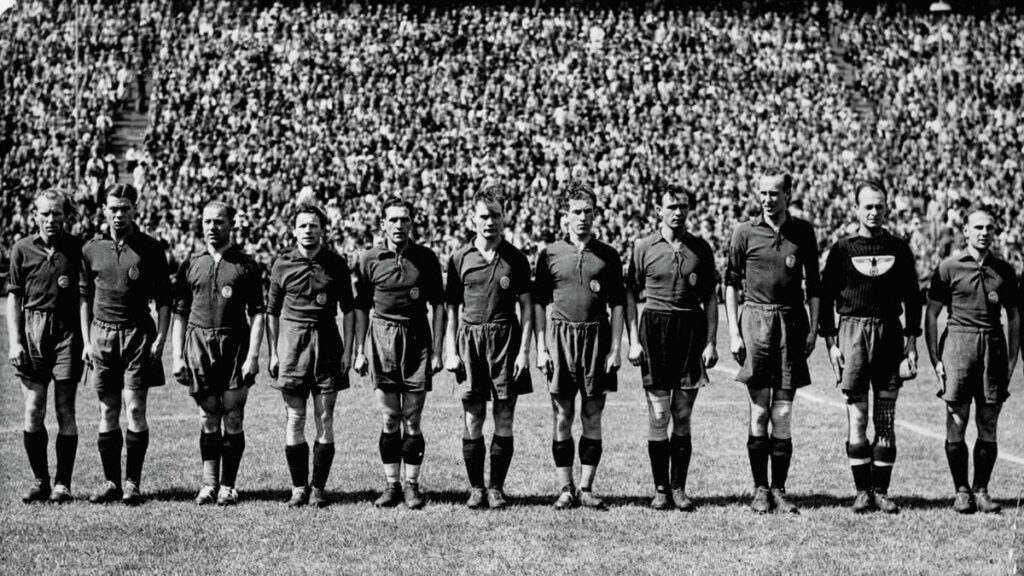
On 27 February 1900, at the Gisela restaurant, 11 players decided to create the Bayern club. Franz John became the first president, and Paul Francke the captain.
Club colours and membership fees
The contributions were set at 2 marks for joining and 1 mark monthly. There was a long debate about colours, but finally, a white and blue scheme was chosen.
First players and founders
Among the founders were Pollack, Focke and Manning. The latter later became the first president of the Football Association of the United States.
➤ Early years and development
First matches
In March 1900, Bayern played their debut match against «First Munich» and won 5-2. The team was based in the Schwabing district, which was home to many students and employees.
Popularity in Munich
From 1900 to 1904, «Bayern» was considered the unofficial city champion, beating rivals. It was then that the rivalry with TSV-1860 began.
Merger with the Munich Sports Club
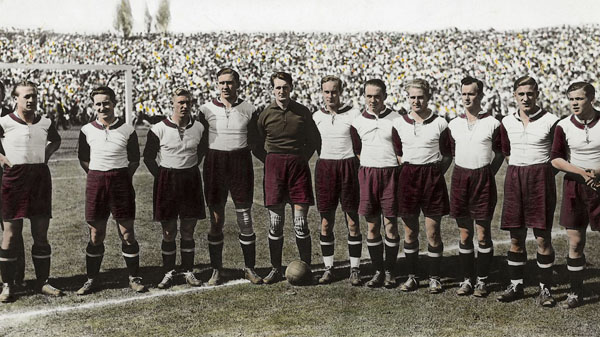
For financial stability in 1906, «Bayern» merged with Munich Sports Club. The colours changed to red and white, and the club gained the nickname «the red shorts» («Rothosen»).
➤ Before the First World War
Own field
In 1907, the club acquired a field, and the structure included junior and youth teams.
The parish of Kurt Landauer
In 1913, Kurt Landauer joined the club, who would later become a key figure in Bayern's history.
First regional successes
In 1910 and 1911, Bayern won the Bavarian championship, but the all-German level remained out of reach.
➤ The First World War and its consequences
Club losses
The president and many players went to the front. Finances collapsed, and by 1916, only 93 pfennigs remained in the account.
Post-war transformations
Landau returned, began a rebuilding process and brought back trainer William Townley. In 1919, the club separated from the sports club.
«Scottish style»
In the 1920s, trainers Townley and Dory Kürschner introduced quick combinations and ball control – a style that brought success.
➤ The Rise of the 1920s-1930s
Southern Championships
In 1926, under the leadership of Scotsman Jimmy McPherson, Bayern won the Southern Championship.
Attendance records
In those years, matches attracted up to 30,000 spectators – a huge figure for those times.
1932 Championship
In the final of the national championship, Bayern defeated Eintracht and became German champions for the first time.
➤ The Nazi era
Landauer's disease
After 1933, the Jewish Landau was forced to leave, later arrested and sent to Dachau. Only his military achievements saved his life.
Harassment and funding
The club did not have Nazi patronage, unlike TSV-1860. Financial problems became chronic.
Latest military matches
In 1943, «Bayern» very nearly disappeared, but was saved by the efforts of board members. The last wartime match took place on 23 April 1945.
➤ Post-war resurgence
«Potato matches»
After the war, the club played friendly matches where the payment was food products.
Landauers' Return
In 1947, Landauer once again took charge of the club, helped to restore infrastructure, and achieved recognition from the authorities.
The first German Cup
In 1957, Bayern won their first national cup, beating Fortuna.
➤ On the way to the Bundesliga
Difficulties of the 1950s
In 1955 the team was relegated to a regional league for the first time, but soon returned.
The arrival of young talent
At the end of the 1950s, Sepp Maier and Franz Beckenbauer emerged, followed by Gerd Müller in 1964. This generation became legendary.
President Wilhelm Neudecker
Since 1962, Neudecker set his sights on professionalisation and discipline, transforming Bayern into a powerhouse club.
Promotion to the Bundesliga
In 1965, Bayern finally entered the Bundesliga. The «Bavarian era» began, turning the club into a global giant.
➤ 1960s–1970s: The Golden Generation
Triumphs in Germany
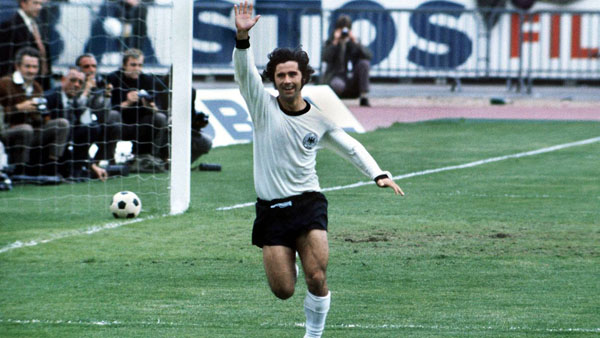
After being promoted to the Bundesliga, Bayern Munich quickly made a name for themselves. As early as 1969, the team became national champions for the first time, ahead of Borussia Dortmund and Borussia Mönchengladbach.
European dominance
In 1974–1976, Munich’s team won the European Cup three times in a row. Key figures included Franz Beckenbauer, Sepp Maier, Uli Hoeness, and Gerd Müller.
Creating traditions
During this period, Bayern cemented their style of attacking, dominant football. The club became a symbol of German discipline and strength.
➤ 1980s: Change and New Leaders
Internal successes
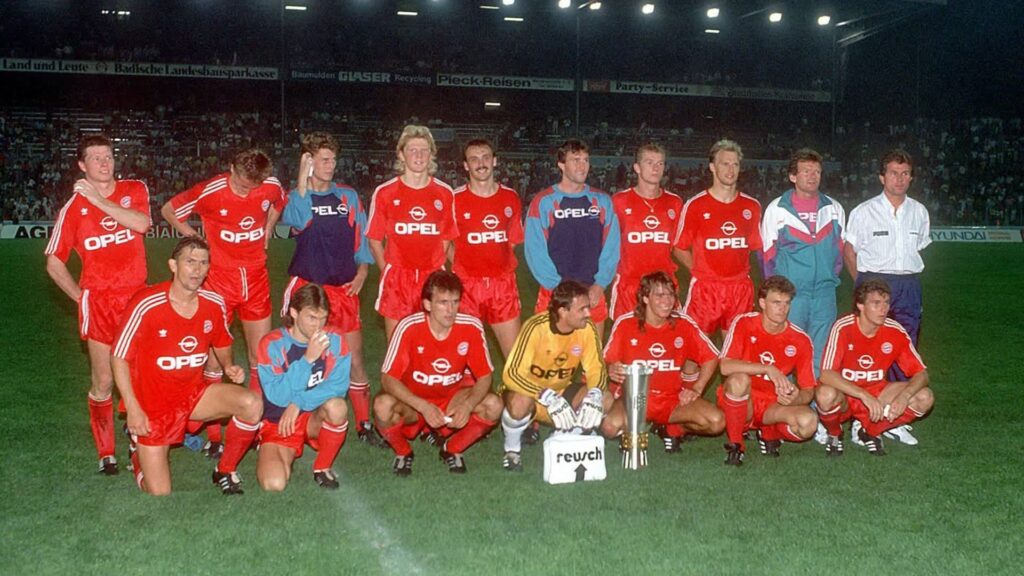
In the 1980s, Bayern Munich dominated the German championship, winning six Bundesliga titles. The main stars of the era were Karl-Heinz Rummenigge, Lothar Matthäus, and Klaus Augenthaler.
European Disappointments
Despite domestic successes, the club did not always live up to expectations on the international stage. The European Cup finals of 1982 and 1987 ended in defeat.
➤ 1990s: An Era of Transformation
The arrival of new investments
«Bayern has strengthened its position as a financial giant. Thanks to Höness's competent management, the club has become a model of sustainable business.
Star players
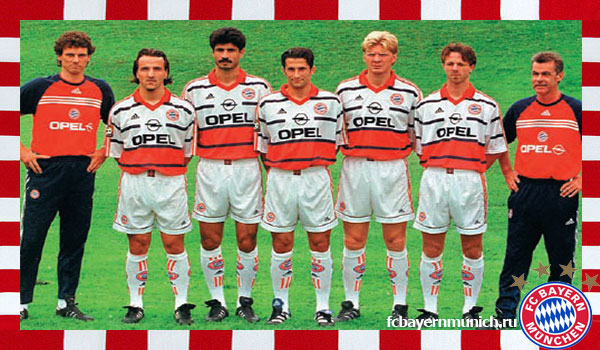
Stefan Effenberg, Oliver Kahn, Mario Basler and Giovane Élber were outstanding in the team.
Champions League
The culmination of the decade was the 1999 Champions League final defeat against Manchester United (1-2). But it became an impetus for future greatness.
➤ 2000s: Return to the Top
2001 Champions League victory
In 2001, Bayern Munich, under the management of Ottmar Hitzfeld, won the Champions League, beating Valencia on penalties.
The new arena is the Allianz Arena«
In 2005, the club moved to a new, ultra-modern stadium that became a symbol of modern German football.
Jürgen Klinsmann and Louis van Gaal
At the end of the decade, a search for a new style began. Van Gaal brought Thomas Müller and Bastian Schweinsteiger into the team, laying the foundation for future successes.
➤ 2010s: The Era of Dominance
Jupp Heynckes and the 2013 treble
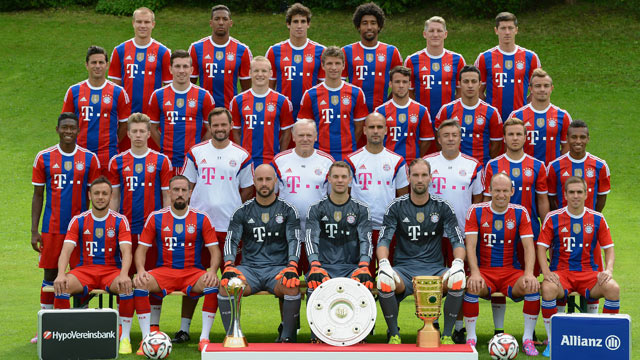
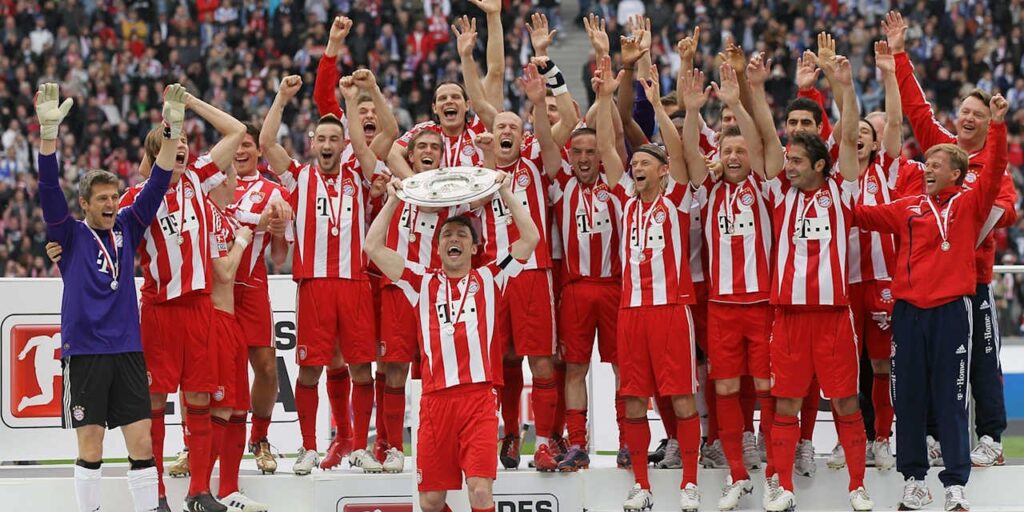
In 2013, Bayern Munich won the Champions League, the league title, and the German Cup – the club's first treble.
The Pep Guardiola Era
From 2013 to 2016, Bayern played a dominant «tiki-taka» style. Despite not winning the Champions League, the club won the Bundesliga three consecutive times.
Heynckes returns
In 2017–2018, Heynckes took over the team again and stabilised their performance.
➤ The 2020s: A New Dynasty
Champions League 2020 victory
Under the guidance of Hansi Flick, Bayern Munich won the treble for the second time. Paris Saint-Germain were beaten 1-0 in the Champions League final.
Robert Lewandowski and records
The Polish forward has become a symbol of the club, breaking Gerd Müller's record for Bundesliga goals in a season (41 goals).
Transitions and new challenges
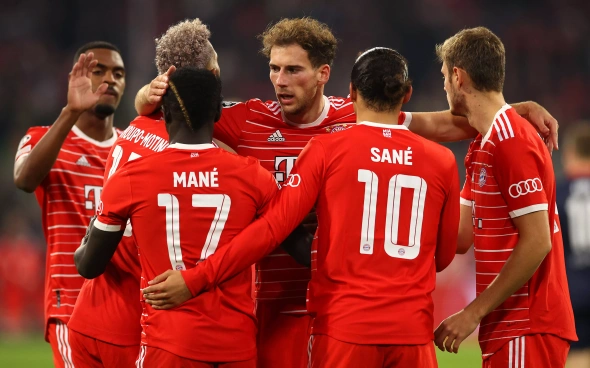
In recent years, Bayern have faced increased competition from Borussia Dortmund and Leipzig. New leaders have joined the club – Jamal Musiala and Harry Kane.
➤ Today's club status
Dominance in Germany
«Bayern continues to remain the strongest club in the country, winning title after title in the Bundesliga.
Global brand
The club is among the top three most popular in the world in terms of fan numbers, has a developing academy, and is actively working in international markets.
The future
The main aims are to win the Champions League again and maintain the status of a symbol of German football. Bayern remains a club that combines history, tradition, and modern ambitions.
➤ Output
The history of Bayern Munich is a journey from a humble club, founded in 1900 by a group of enthusiasts, to a global football giant whose name is known on every continent. Each decade has added new pages to its chronicle – from early national victories to European triumphs and eras of dominance.
Today, the Munich team embodies not only the strength of German football, but also stability, competent management and the ability to adapt to new challenges. For fans and those who are passionate about sports betting, Bayern has long been a symbol of reliability and predictability – a club you can count on even in the most tense matches.
The club's future looks as bright as its past: with new stars, young talent, and millions of fans worldwide, Bayern will continue to shape the history of world football.